
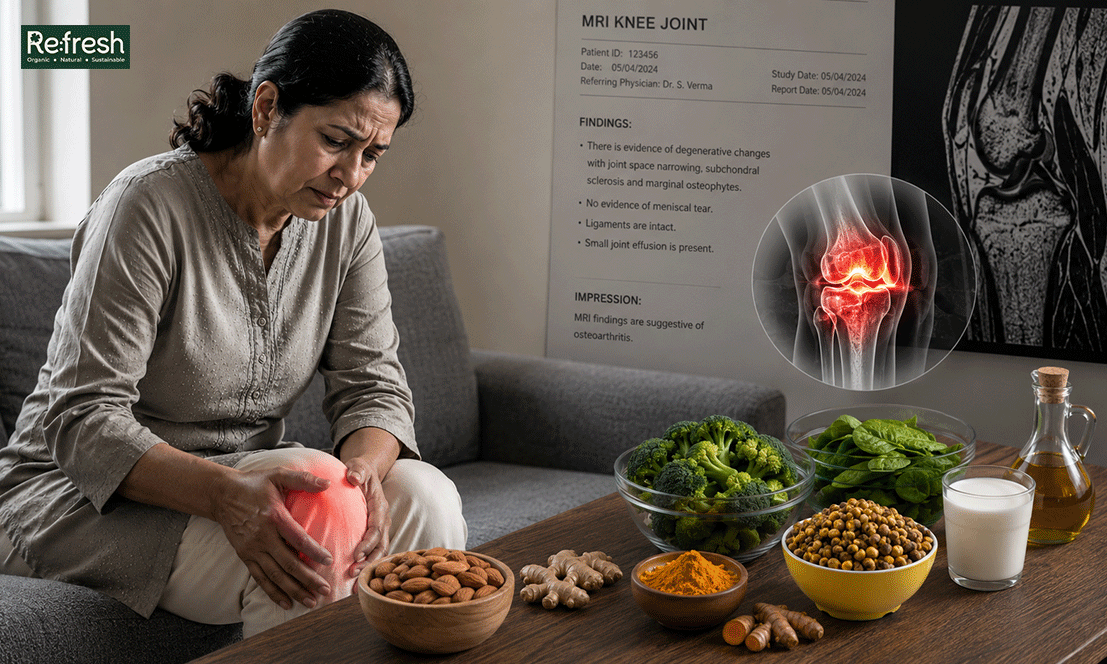
Women Are More Likely to Develop Arthritis! These 10 Foods May Help Protect Your Joints
A stiff knee after sitting, a backache that doesn't go away, or a dull pain in the hips—many Indian women experience these symptoms every day.
The truth is, arthritis doesn’t arrive suddenly, it creeps into a woman's life slowly until the cartilage worsens and even standing up starts feeling harder.
Worldwide research shows that women are significantly more likely to develop arthritis.
The early signs of arthritis are often brushed off as “ageing” but consistent aches and fatigue are not normal.
Hormonal imbalances, menopause, inflammation, autoimmune conditions, and even differences in muscle mass make women more vulnerable to arthritis over time.
Arthritis is one of the most common joint conditions in the world, and women are more likely to develop this chronic disease than men.
While there’s no magic food that can cure arthritis, in women, eating the best anti-inflammatory foods can help support joint health, manage inflammation, and improve overall quality of life.
Let’s understand why arthritis affects more women and the best foods for arthritis.
Why Are Women More Likely to Develop Arthritis?
Arthritis is not a single disease but a group of conditions that cause swelling, stiffness, pain, and reduced mobility in your joints.
The two most common types are osteoarthritis, caused by the gradual wear and tear of joints, and rheumatoid arthritis, an autoimmune condition in which the immune system attacks healthy joints.
Hormonal changes play a major role:
One of the biggest reasons women are at a higher risk of arthritis is declining estrogen levels.
Estrogen helps protect joints in women by supporting cartilage and reducing inflammation, which is why arthritis risk often increases after menopause.
As estrogen levels drop during menopause, many women experience increased joint pain and stiffness, and their risk of developing arthritis increases.
Women are more prone to autoimmune diseases:
Rheumatoid arthritis is an autoimmune disease and it affects more women than men.
Researchers believe that women’s immune systems are naturally more active, which helps fight infections but also increases the risk of autoimmune diseases where the body mistakenly attacks its own tissues.
Pregnancy, Childbirth, and Joint Changes:
During pregnancy, hormones like relaxin loosen and relax the muscles, joints, and ligaments during pregnancy and help prepare the body for childbirth.
Combined with weight gain and changes in posture, this places additional stress on the knees, hips, and lower back.
While many women recover after delivery, these changes may contribute to long-term joint wear and discomfort in some individuals.
Less muscle means less support for joints:
Muscles act like a natural shock absorber for your joints.
Compared to men, women naturally have lower muscle mass, which provides less support and stability to the joints and may increase joint stress during everyday movement.
This is why adequate protein intake and strength training become increasingly important with age.
More women have Vitamin D deficiency:
Studies estimate that 75%–90% of women in India have vitamin D deficiency or insufficiency.
Women are more likely to have vitamin D deficiency because of hormonal changes, pregnancy, menopause, and lifestyle factors.
Since vitamin D is essential for calcium absorption, nerve function, and bone health, maintaining adequate levels is important for supporting healthy joints.
Early Signs of Arthritis You Shouldn't Ignore
Many people assume that arthritis starts with severe pain in your joints, but the early warning signs of arthritis are often subtle.
Some symptoms of arthritis include:
- Morning stiffness that lasts longer than 30 minutes
- Swollen or tender joints
- Pain after sitting for long periods
- Difficulty gripping objects or opening jars
- Clicking or grinding joints
- Reduced flexibility
- Persistent fatigue, particularly in rheumatoid arthritis
If these symptoms continue for several days, it’s important to talk to a medical professional rather than dismissing them as normal ageing.
Can an Anti-Inflammatory Diet Help Arthritis?
Although food cannot cure arthritis, it can help manage inflammation, support muscle strength, maintain a healthy body weight, and improve overall joint function.
Best foods for arthritis include a diet rich in whole foods and minimally processed foods that provide antioxidants, healthy fats, vitamins, minerals, and fibre that support overall health.
Research shows that losing 10% of your body weight can significantly reduce pain, inflammation, and knee joint loading, providing arthritis pain relief.
Instead of focusing on one "superfood," aim for a balanced eating pattern built around a variety of nutrient-rich foods.
10 Best Foods to Eat in Arthritis:
Calcium-rich foods:
Calcium is the most abundant mineral in your body, making up your bones and teeth, providing structural strength.
As estrogen levels drop, the bone density also decreases, increasing the risk of arthritis and fractures in women.
Milk, curd, paneer, ragi, sesame seeds, and fortified plant-based beverages can help meet your calcium needs.
Pair these foods with adequate vitamin D, either through safe sunlight exposure or supplements if recommended by your doctor.
Vegetarian sources of Omega-3
Omega-3 fats are one of the best anti-inflammatory foods for arthritis.
Vegetarian sources of omega-3 include flaxseeds, chia seeds, walnuts, and hemp seeds, which can easily be included in a healthy diet.
Refresh stocks certified organic seeds and a curated dry fruits & nuts range including walnuts, so you don’t have to waste time looking for the best.
Colourful fruits and vegetables:
Brightly coloured vegetables like berries, oranges, guava, carrots, tomatoes, spinach, beetroot, broccoli, and capsicum are naturally high in antioxidants.
Aim for at least 3 servings of vegetables and 2 servings of fruits per day to increase your intake of antioxidants, vitamins, fiber, and minerals that support overall joint health.
Whole grains:
Fiber not only supports your digestion but also feeds beneficial gut bacteria, which produce compounds called short-chain fatty acids that help regulate the immune system and reduce chronic inflammation.
Research has linked high fiber intake with lower levels of inflammatory markers like C-reactive protein (CRP).
Include 1–2 servings of whole grains daily, along with plenty of fruits, vegetables, legumes, nuts, and seeds, an important part of an anti-inflammatory diet.
Adequate Protein Intake:
Protein helps maintain and build muscle mass, which supports and stabilizes the joints.
Vegetarian sources of protein like tofu, paneer, dal, rajma, chana, and soybeans can fit well into an Indian vegetarian diet.
Aim for 1.0-1.2 g of protein per kilogram of body weight daily, especially as you age, to help preserve muscle mass that supports and stabilizes your joints.
For your dal, rajma, and chana staples, RefreshYourLife's organic dals and pulses range is unpolished, pure, and sourced from the best brand.
Nuts and seeds:
Healthy fats, particularly omega-3 fatty acids and monounsaturated fats (MUFAs), help reduce inflammation, protect cartilage, and support overall joint health.
Almonds, walnuts, pumpkin seeds, sunflower seeds, flaxseeds, and sesame seeds provide healthy fats, vitamin E, and minerals that contribute to overall bone health.
Turmeric:
Turmeric is best known for its anti-inflammatory properties due to a natural compound, called curcumin.
Since curcumin is poorly absorbed alone, pair it with black pepper (which contains piperine) to boost absorption by up to 2,000%.
If you’re looking for a high-curcumin turmeric powder, RefreshYourLife’s lakadong turmeric powder is iron-pounded and offers elevated curcumin content.
Ginger:
Fresh ginger contains natural antioxidant compounds like gingerols and shogaols, which help lower inflammation in arthritis patients.
Add grated ginger to tea, soups, dals, or vegetable preparations for both flavour and potential health benefits.
Extra Virgin Olive oil:
Extra Virgin Olive Oil is a key component of anti-inflammatory foods for arthritis.
Extra virgin olive oil contains healthy monounsaturated fats and a natural compound called oleocanthal that support heart health and helps lower inflammation and supports joint health.
You can find Pure & Sure's certified organic Extra Virgin Olive Oil on RefreshYourLife, cold-pressed to retain its natural antioxidants.
Worst Foods for Arthritis:
Although foods don’t cause arthritis, some dietary habits may contribute to inflammation or weight gain.
What foods should you avoid if you have arthritis?
- Sugary drinks and desserts
- Deep-fried foods
- Ultra-processed packaged snacks
- Refined flour products
- Processed meats
- Foods high in added sugar and sodium
Rather than eliminating these foods completely, try to focus on building an anti-inflammatory diet with high-fiber, calcium-rich, and omega-3 rich foods.
Best Habits For Healthy Joints:
An anti-inflammatory diet works best when paired with healthy lifestyle habits.
Aim to:
- Maintain a healthy body weight.
- Stay physically active most days of the week.
- Include strength training at least twice a week to preserve muscle.
- Eat enough protein throughout the day.
- Prioritise good sleep and stress management.
- Seek medical advice if joint pain persists or worsens.
Small, consistent habits often have a greater long-term impact than quick fixes.
Healthy Joints Start With Everyday Choices:
While women are naturally more likely to develop arthritis because of hormonal changes, genetics, and autoimmune conditions, there is still plenty that can be done to support long-term joint health.
Eating an anti-inflammatory diet, maintaining muscle strength, staying active, and recognising symptoms early can all make a meaningful difference.
Healthy meals won’t eliminate arthritis, but they can become one of your strongest tools for healthy joints.
Building your kitchen around wholesome grains, quality proteins, seeds, natural spices, and minimally processed foods is a simple step towards healthier living - one plate at a time.
Frequently Asked Questions:
-

You're Probably Storing These 10 Everyday Foods the Wrong Way
August 19th, 2026 -
 August 17th, 2026
 -

Organic vs Regular Spices: Are Organic Spices Really Better?
August 14th, 2026 -

What Did Lord Krishna Really Eat? 7 Favorite Foods for Janmashtami
August 12th, 2026 -
 August 10th, 2026