

Does Coffee Cause Cancer? What Science Really Says!
Social media is full of health influncers and everyone is trying to get views from controversial claims.
Some social media reels are claiming that coffee causes cancer, leaving many people confused and worried.
Coffee is a beloved beverage, known for its ability to bring focus and energy in the morning.
In fact, many people can’t start their mornings without their cup of coffee right when they wake up.
These videos are suggesting that people should quit coffee immediately to “stay away from cancer. But what does science actually say?
In this blog, we are diving deep into the scientific evidence to understand how coffee benefits our health.
Coffee Nutritional Information:
One brewed black coffee with no cream or sugar added (240g) provides 2.4 calories, 0.3g of protein, 0g of carbohydrates, and 0g of fat.
In a single serving, plain coffee or coffee beans has:
- 118mg potassium
- 7.2mg magnesium
- 7.1mg of phosphorus
- 0.1mg of manganese
- 4.7mcg of folate
- 6.2mg of choline
- 4.8mg sodium
Coffee contains over 1,000 bioactive compounds like Caffeine, Polyphenols, Chlorogenic acids, and antioxidants.
Black coffee is nearly calorie-free, with minimal protein and no carbs or fat.
Does Coffee Cause Cancer?
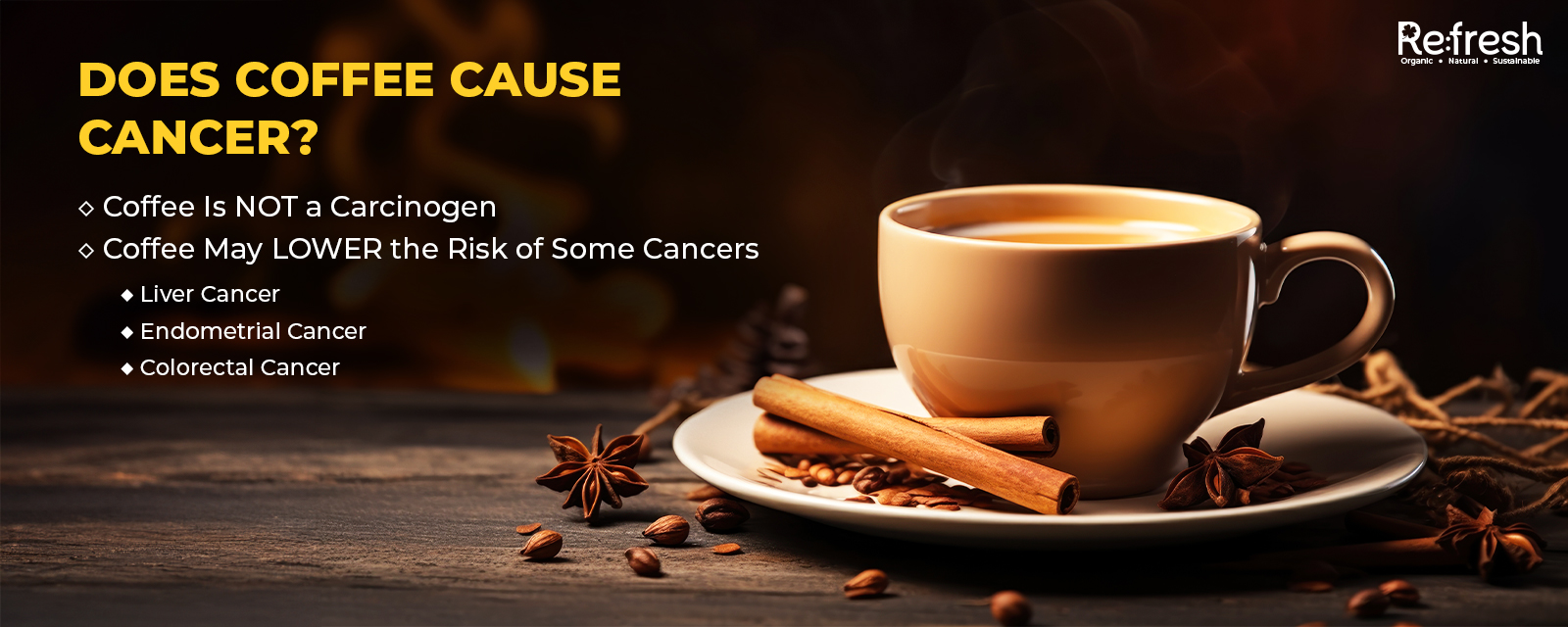
No, drinking coffee does not cause cancer, and this is backed by scientific research. No.
In fact, major research suggests that coffee/espresso actually reduces your risk of certain cancers.
-
Coffee Is NOT a Carcinogen:
In 2016, the World Health Organization (WHO) and the International Agency for Research on Cancer (IARC) evaluated more than 1,000 scientific studies on coffee and cancer risk.
After this extensive review, coffee was officially removed from the list of possible carcinogens.
This means:
- Coffee itself is not carcinogenic
- Caffeine does not cause cancer
- There is no direct link between coffee consumption and increased cancer risk
-
Coffee May LOWER the Risk of Some Cancers:
Contrary to the myth, coffee is associated with a lower risk of several cancers, especially liver cancer, endometrial cancer, and potentially colorectal cancer.
-
Liver Cancer:
Research shows that coffee intake is linked to a reduced risk of liver cancer. SpringerLink
One research also showed that regular coffee drinkers have a lower risk of hepatocellular carcinoma (HCC) - the most common type of liver cancer. Sciencedirect
-
Endometrial Cancer:
A large meta-analysis showed that regular coffee consumption is linked to a 20% lower risk of endometrial cancer risk.
Studies have consistently shown an association between regular coffee consumption and a lowee risk of endometrial cancer. (1,2)
-
Colorectal Cancer:
Some reserach has also indicated that anti-oxidant compounds in coffee might protect colon cells and reduce inflammation in the digestive tract, which could lower colorectal cancer risk. World Cancer Research Fund
-
Top Benefits of Coffee:

-
Boosts Energy Levels:
Organic Coffee contains caffeince, that boosts your energy levels and helps your nervous system fight fatigue.
Caffeine helps people being efficient at work and is also helpful in improving athletic performance.
-
Lower the Risk of Type 2 diabetes:
Some research suggests that regular consuming coffee regularly decreases your risk of developing tupe 2 diabetes in the long run.
This might be due to coffee ability to preserve the beta cells that produce insulin.
-
Good for Brain:
Coffee is great for boosting your focus and concentration when you feel sleepy or don’t feel the energy to work.
According to research, people who consume coffee regularly have a significantly lower risk of developing Parkinson’s disease.
-
Promotes Weight Management:
Coffee has shown promising results in helping people manage their weight by boosting metabolism and performance.
Coffee is full of anti-oxidants that supports your gut health and eventually enhancing weight loss.
Read More: Why Organic Coffee is a Health Trend
Best Way to Have Coffee:
- One of the best ways to have coffee is in simple hot water aka black coffee without any added sugar.
- Avoid adding any cream or flavoured syrup to your coffee to experience that natural anti-oxidants.
- You can also try bulletproof coffee for added weight management.
These additions can contribute to obesity, insulin resistance, and inflammation, which are indirect cancer risk factors.
-
How Much Coffee Is Safe?
Ideally, 3-4 cups of coffee (About 300–400 mg of caffeine), with or without milk is safe for most adults to consume daily.
People who should limit coffee:
- Pregnant women
- People with severe acid reflux
- Individuals sensitive to caffeine
The Bottom Line:
Coffee does not cause cancer and we’ve just proven it with scientific evidence.
High-quality analysis shows that coffee has several health benefits and may even help reduce the risk of certain cancers.
This is your time to learn to differ between systematic viral misinformation and scientific health benefiits.
Focus on moderation, quality, and preparation - because science supports informed choices, not panic.
-

You're Probably Storing These 10 Everyday Foods the Wrong Way
August 19th, 2026 -
 August 17th, 2026
 -

Organic vs Regular Spices: Are Organic Spices Really Better?
August 14th, 2026 -

What Did Lord Krishna Really Eat? 7 Favorite Foods for Janmashtami
August 12th, 2026 -
 August 10th, 2026