Ingredient List Explained: Are Parabens, Sulfates & Synthetic Fragrances Harmful?
The market is full of products with ingredients that are too confusing for customers to understand.
Words you don’t know the meaning of, long chemical names, and bold marketing claims like paraben-free or sulfate-free can make personal care shopping overwhelming.
What you apply to your skin and scalp matters, as the skin absorbs every portion of what you put on it.
Understanding ingredients in your shampoos, soaps, face washes, creams, or lotions can reduce your exposure to harmful chemicals.
In this blog, we’ll break down parabens, sulfates, synthetic fragrances, and chemical preservatives in simple language - so you can decide what’s right for your body, without fear or confusion.
What Are Parabens? (Simple Explanation)
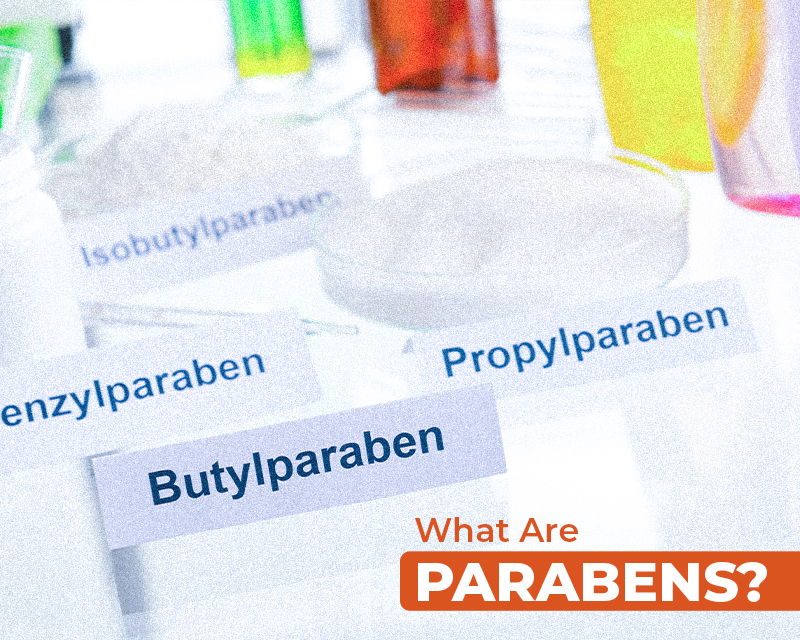
- Methylparaben
- Propylparaben
- Butylparaben
- Ethylparaben
Parabens are chemical preservatives commonly used in cosmetics and personal care products to prevent the growth of bacteria and mold.
Parabens are still legally allowed in many countries, including India.
They are often listed as:
You’ll find them in makeup, moisturizers, hair care products, and shaving products, among others.
Why Are Parabens Controversial?
Parabens have consistently found to mimic the estrogen hormone in our body.
Studies have found traces of parabens in human tissues, raising questions about the long-term impact of chemical-laden products on our lives. (1, 2, 3)
Parabens will not harm you in one-time use, but daily exposure for a long-time is a concern.
Why Many People Prefer Paraben-Free Products
- Reduced hormonal disruption concerns
- Better suited for long-term daily use
- Preferred by people choosing cleaner, more natural formulations
Many clean beauty brands now make hair products without alcohol and sulfates, plant-based or food-grade preservatives instead of parabens.
What Are SLS?
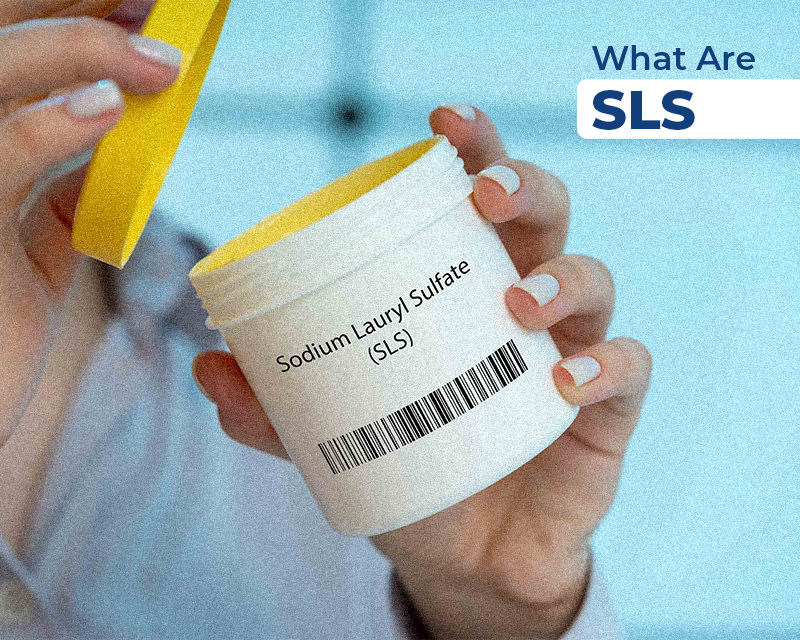
SLS or sodium lauryl sulfates are strong cleansing agents, commonly used in shampoos, body cleansers, and face washes.
SLES (Sodium Laureth Sulfate) is also used in some cleansing products. SLS and SLES remove oil, dirt, and buildup, providing deep cleansing of the scalp.
Sulfates also create a rich foam, which many people prefer while shampooing.
Why Sulfates Can Be Harsh:
While sulfates can clean your scalp effectively, they can be harsh on your skin:\
- Strip natural oils from the scalp and skin
- Causes dryness, frizz, and rough hair texture
- Worsen dandruff and scalp irritation
- Increase hair fall in people with sensitive scalps
Who Should Avoid Sulfates?
- People who have a dry and sensitive scalp
- Curly, colored, or chemically treated hair
- Kids and babies
- Anyone experiencing chronic hair fall or scalp irritation
Sulfate-free shampoos use a gentle, coconut or sugar-derived formula that cleans your scalp without over-stripping the natural oils.
Synthetic Fragrance: The Hidden Ingredient You Can’t See
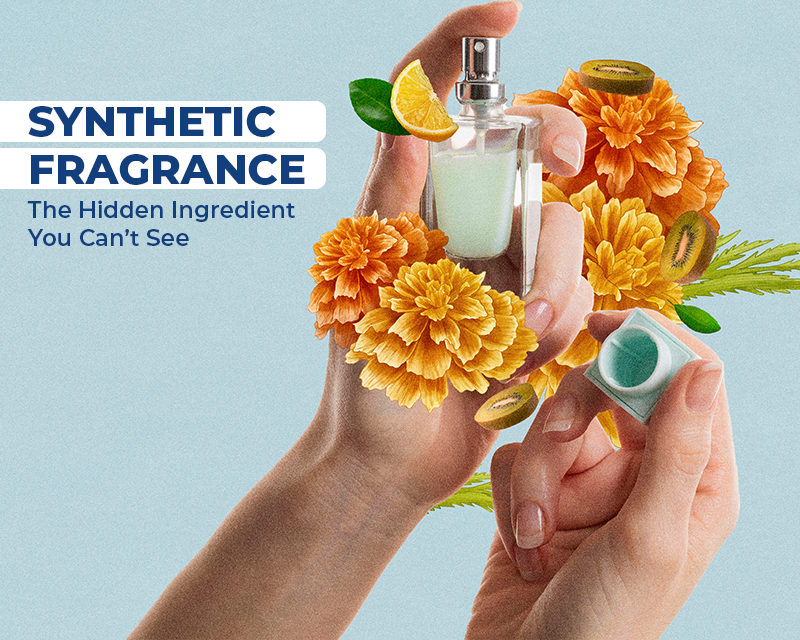
“Fragrance” or “Parfum” is a common ingredient used in personal care products like face wash, body wash, soaps, shampoos, and conditioners.
The term “ artificial fragrance” is a confusing ingredient for consumers, as it can represent a dozen undisclosed chemicals, not required to be listed.
Why Synthetic Fragrance Is a Concern:
Synthetic fragrances can cause a range of concerns, such as:
- Skin irritation and rashes
- Headaches or migraines
- Allergic reactions
- Sensitivity with long-term use
This is especially relevant for people with sensitive skin, asthma, or hormonal concerns.
Read More: 5 Amazing Benefits of Paraben-Free & Sulfate-Free Shampoo and Best Alternatives
Synthetic Fragrance vs Natural Fragrance:
Organic, natural products contain naturally occurring fragrances, while chemical-laden products have artificial fragrances containing dozens of harmful chemicals.
- Synthetic fragrance: Artificial chemical blends, undisclosed
- Natural fragrance: Derived from essential oils or plant extracts (used in safe concentrations)
If your favorite brand doesn’t clarify the source of its fragrance, it’s usually synthetic and harmful for your skin.
Chemical Preservatives: Are All Preservatives Bad?
Preservatives are necessary to prevent products like shampoos and body washes from spoiling, especially those containing water.
The real question isn’t about the reason behind having preservatives, but what kind of preservatives are being used.
Sulfate-free products or organic formulations have better preservation techniques, such as using:
- Plant-derived preservatives
- Food-grade ingredients
- Fermentation-based systems
These preservatives keep products safe for our skin and health, reducing chemical exposure.
How to Choose Safer, Non-Toxic Personal Care Products
With safer options, you can efficiently reduce your exposure to SLS and parabens.
The key is read the label carefully and look for what ingredients to look for and what to avoid.
Products with short, readable ingredients are easier to understand. You can simply google the names and under their source.
Look for paraben-free formulation and sulfate-free shampoos that cleans your skin without stripping your natural oils.
Choose products that do not contain undisclosed synthetic fragrances, especially if you have sensitive skin, allergies, or use the product daily.
Final Takeaway:
Understanding the ingredient list helps you care for your skin and hair proactively, rather than reacting later to dryness, irritation, hair fall, or sensitivity.
Choosing non-toxic, organic, and clean personal care products is not driven by fear. It’s a conscious step toward:
- Long-term health
- Gentle, everyday care
- A more mindful and sustainable lifestyle
At Refreshyourlife, we offer certified organic and natural personal care products - so you don’t have to spend hours searching their names.
From body washes and face washes to makeup products, men’s grooming essentials, and baby care, every product at Refreshyourlife is carefully selected to be non-toxic, paraben-free, sulfate-free, and safe for your skin.
-

You're Probably Storing These 10 Everyday Foods the Wrong Way
August 19th, 2026 -
 August 17th, 2026
 -

Organic vs Regular Spices: Are Organic Spices Really Better?
August 14th, 2026 -

What Did Lord Krishna Really Eat? 7 Favorite Foods for Janmashtami
August 12th, 2026 -
 August 10th, 2026