
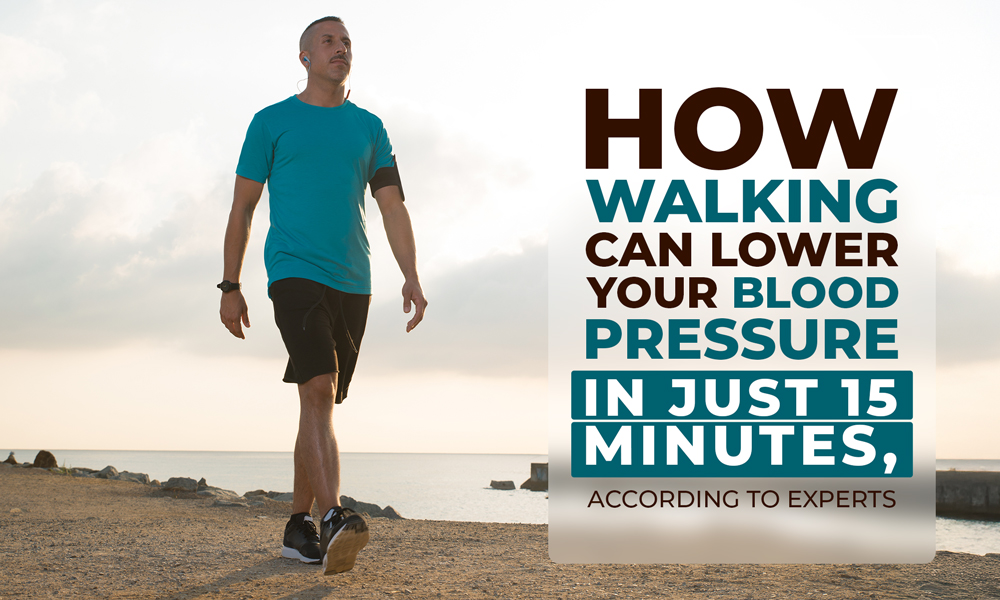
How Walking Can Lower Your Blood Pressure in Just 15 Minutes, According to Experts
Maintaining normal blood pressure is one of the most vital steps toward a healthy lifestyle.
While people have medications, follow the Dash diet, and take a huge number of efforts to lower BP, they underestimate a simple tool - walking.
According to Dr Brijmohan Arora, a senior diabetologist trained at CMC Vellore, a simple 15-minute walk can significantly reduce high blood pressure. (1)
This low-impact exercise is the easiest workout for people who cannot go to the gym or do heavy workouts.
Walking helps you lower blood pressure naturally, improve heart function, and support overall metabolic health.
In this blog, we explore how walking helps lower high blood pressure, the science behind it, and how you can incorporate it into your daily routine.
What is the Normal Blood Pressure Range?
Blood pressure around 120/80 mmHg is considered normal. This means your systolic blood pressure should ideally be below 120, and your diastolic pressure below 80.
If your blood pressure is 130/80 mmHg or higher on multiple measurements, you have high blood pressure (hypertension).
Hypertension is a serious medical condition and requires a medical diagnosis.
Why Walking Influences Blood Pressure So Quickly:

Walking is a natural movement that humans have been doing since the dawn of evolution.
Even short movement helps the blood vessels dilate, improve full-body blood circulation, and reduce resistance in the arteries.
This process helps directly lower your diastolic and systolic blood pressure, which is the top number on your blood pressure measurement and a key indicator of heart risk.
What Research Says:
Several research studies claim that walking reduces blood pressure:
- A 2013 study, published in the Journal of Hypertension, found that moderate-intensity walking can help maintain normal blood pressure ranges. (Cornelissen & Smart, 2013)
- In the American Heart Association Journals, an older study found that even 15 minutes of brisk walking can improve vascular function and lower blood pressure naturally. (Hagberg et al., 1989)
Health Benefits of 15 Minutes a Day:
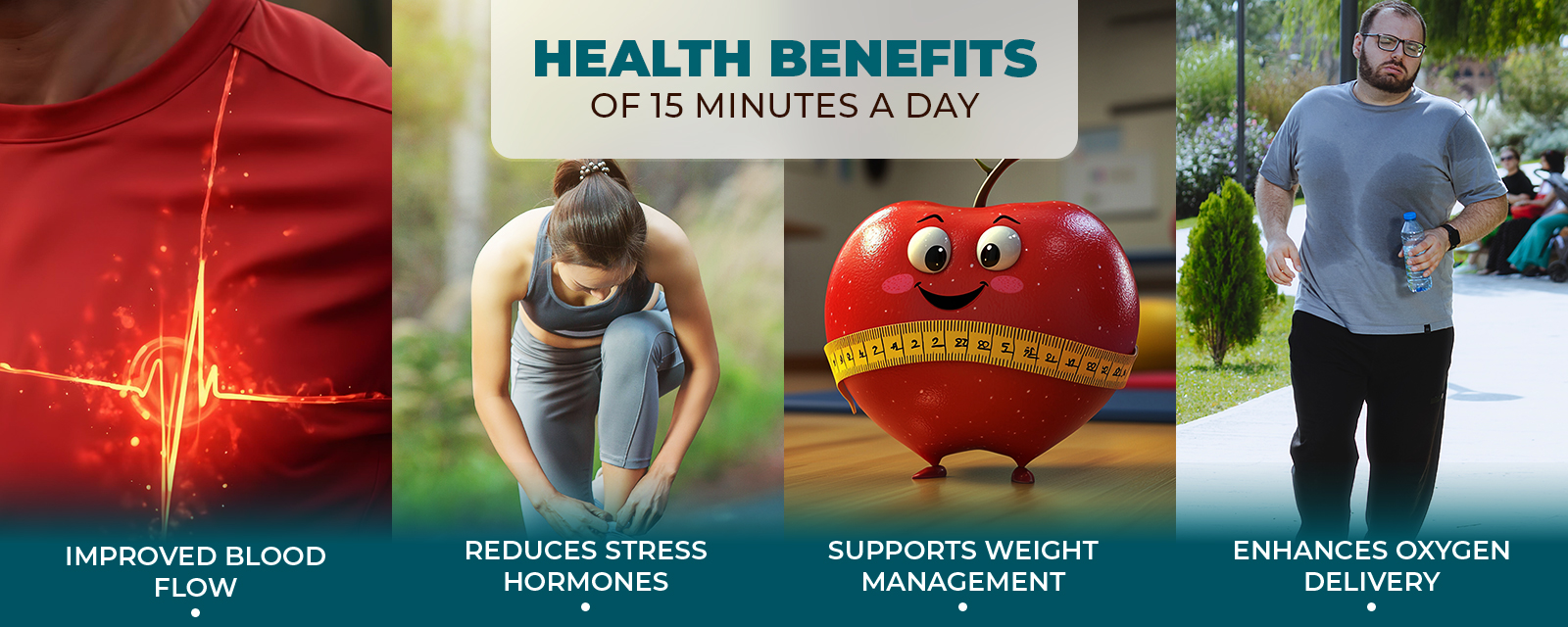
A daily 15-minute walk may sound too simple, but here's why it’s effective
-
Improved Blood Flow:
Walking daily improves blood circulation, making it easier for your heart to pump efficiently.
A healthy blood circulation reduces pressure in your arteries and supports a better heart function lifelong.
-
Reduces Stress Hormones:
Stress is often a major contributor to hypertension symptoms and diabetes, due to high cortisol.
Walking lowers cortisol levels, helping keep your blood pressure stable and also supporting better sleep and emotional balance.
-
Supports Weight Management:
Obesity is one of the major reasons for heart problems, and it also increases the risk of early hypertension.
Walking burns calories and improves metabolic rate while regulating appetite and reducing cravings.
Start with 2k steps and try achieving 10k steps daily for better weight management.
-
Enhances Oxygen Delivery:
Walking is a cardiovascular exercise that improves lung capacity with better oxygen flow, helping reduce strain on the heart - especially important for people with conditions like pulmonary hypertension.
An efficient oxygen usage by your cells will also boost your stamina, making everyday activities feel easier and maintain a normal blood pressure.
Read More: The Top 10 Breakfast Mistakes to Avoid for Effective Weight Loss
How to Maximize Walking Health Benefits:
Here are expert-backed tips to get the most out of your walking routine:
-
Walk After Meals: Post-meal walks are one of the most effective tools for stabilizing blood sugar, improving insulin sensitivity, and supporting normal blood pressure for women and men alike.
-
Measure Your Bp: Use a medical-grade and certified blood pressure monitor to get the most accurate blood pressure readings to keep daily records.
-
Maintain a Brisk Pace: Aim for a speedy or brisk pace to elevate your breathing while still being able to hold a conversation.
This ensures you are in the moderate-intensity zone.
-
Follow a DASH diet: A DASH diet can complement your walking benefits and keep your heart healthy.
Include whole grains, fruits, lean proteins, potassium-rich foods, and low-sodium foods. Reduce highly processed foods and stay hydrated to have healthy blood pressure.
-
Stay Consistent: A daily 15-minute walk is better than 1 hour once a week. Consistency is the key.
The Bottom Line:
Walking is one of the most effective ways to lower blood pressure naturally.
Backed by science and recommended by expert diabetologists, just 15 minutes a day can strengthen your heart, reduce stress, and help you maintain normal blood pressure ranges.
Pair with a nutritious, high-protein, and low-carb diet to maximise walking benefits.
Walking requires no equipment and is simply accessible to everyone suffering from hypertension and heart disease.
Let each step bring you closer to a stronger heart and healthier life.
Explore More From Naturopedia
Are You at Risk of Heart Disease? Study Links These Foods to a Healthier Heart
Cardiologist Recommended 5 Heart-Healthy Cooking Oils for Indians ‘backed by science, not trends’
Cardiac Arrest or Heart Attack? Know the Warning Signs Before It’s Too Late
-

You're Probably Storing These 10 Everyday Foods the Wrong Way
August 19th, 2026 -
 August 17th, 2026
 -

Organic vs Regular Spices: Are Organic Spices Really Better?
August 14th, 2026 -

What Did Lord Krishna Really Eat? 7 Favorite Foods for Janmashtami
August 12th, 2026 -
 August 10th, 2026