
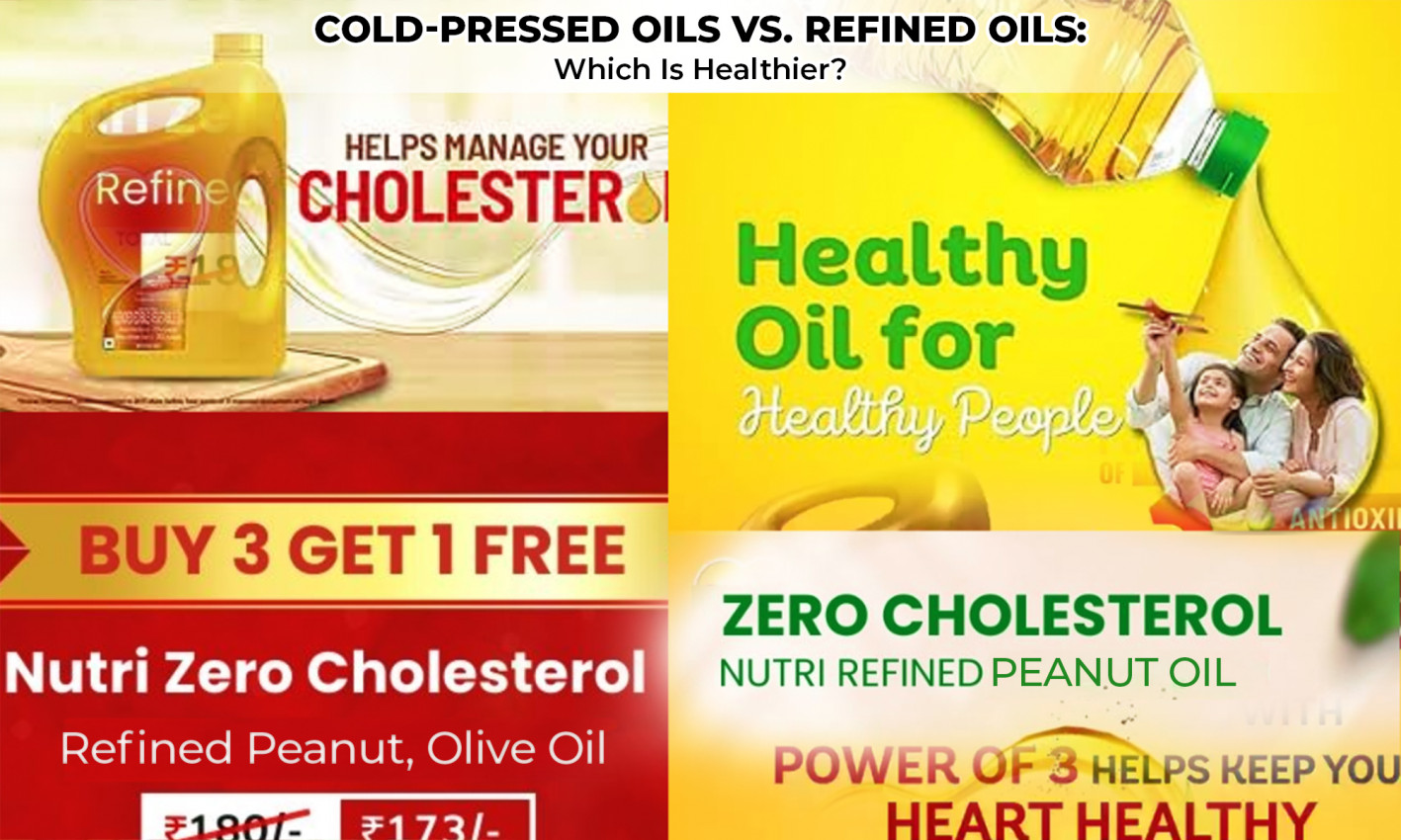
Cold Pressed Oil vs Refined Oil: Which Is Really Healthier for You?
According to the International Energy Agency, India is poised to overtake China as the top driver of global oil demand by 2027.
For years, refined oils have been marketed as 'cholesterol-free' and 'heart-healthy' — but is that really the whole truth? Millions of Indian households cook with refined oil daily without realising what the refining process actually does to the oil's nutrients.
Researchers have proven that refined oil has been a critical factor behind cardiovascular diseases like diabetes, increased cholesterol and blood sugar, obesity, and some types of cancer.
Many people may not realize that the Refining process, involving extreme heat and chemicals, removes essential nutrients and natural goodness from oils.
In contrast, Cold-Pressed Oils offer a purer, nutrient-rich alternative that is often overlooked due to the marketing hype surrounding refined oils.
Cold-pressed oils are extracted through a gentle process without high heat and chemicals, that preserve their natural nutrients, flavors, and aromas, making them a popular choice for a healthy diet.
In this blog post, we will explore the key differences between cold-pressed and refined oils, examining their nutritional profiles and overall health benefits.
What Are Cold Pressed Oils?
Cold-pressing technique, also known as “Kachi Ghani” in India, is an ancient oil extraction technique rooted in Indian cooking traditions, from Indus Valley Civilization.
Cold-pressed oils are extracted using a method that involves pressing them without the application of heat, preserving the natural flavors, nutrients, and antioxidants found in the raw materials.
This process makes cold-pressed oils a healthier alternative to refined oils, including antioxidant properties and improved cholesterol levels.
Unlike refined oils, cold-pressed oils maintain higher levels of health-promoting compounds such as monounsaturated fatty acids (MUFA), tocopherols, sterols, and polyphenols.
In short: Cold pressed oils are extracted by mechanically pressing seeds or nuts at low temperatures (below 49°C), without using any chemical solvents or external heat. This preserves up to 80% more nutrients compared to refined oils.
Most Common Types of Cold-Pressed Oils include:

- Cold-Pressed Coconut Oil: This oil is favored for its high smoke point and medium-chain triglycerides (MCTs), which are beneficial for heart health. It's commonly used in Indian cooking and a dairy-free alternative for baking.
- Cold-Pressed Sesame Oil: Sesame oil has been a part of Indian cooking, medicine, and culture for centuries, known for its distinct flavor that enhances the taste of various dishes.
- Cold-Pressed Mustard Oil: Cold-pressed Mustard oil is valued for its unique taste and strong flavor, adding a unique taste to curries and pickles while offering health benefits due to its high levels of monounsaturated fats.
- Cold-Pressed Groundnut (Peanut) Oil: This oil is valued for its high smoking point and mild flavor, making it suitable for frying and sautéing.
- Cold-Pressed Olive Oil: Known for its ability to lower bad cholesterol, cold-pressed oil is high in antioxidants and healthy fats, making it ideal for salad dressings and low-heat cooking.
- Cold-Pressed Sunflower Oil: Cold-pressed sunflower oil is popular for frying and cooking due to its light flavor and health benefits.
What Are Refined Oils and Why Are They Harmful?
Refined oils undergo a heated purification process to remove impurities and enhance their versatility in cooking.
Predominantly derived from plant sources such as sunflower, canola, groundnut, rice, and soybeans, the refining process typically involves filtering, heating, and chemical treatment to increase the smoking point of the oils.
Predominantly derived from plant sources such as sunflower, canola, groundnut, rice, and soybeans, the refining process typically involves filtering, heating, and chemical treatment to increase the smoking point of the oils.
The refining process involves up to 5 stages: degumming, neutralisation, bleaching, deodorisation, and winterisation. Each step strips away naturally occurring vitamins, antioxidants, and essential fatty acids — leaving behind an oil that is chemically stable but nutritionally depleted.
Health and Nutritional Comparison: Cold-Pressed Oils Vs. Refined Oils
Cold-Pressed Oils vs Refined Oils Feature Cold-Pressed Oils Refined Oils Extraction Process Mechanically pressing the seeds at Low Temperatures Chemically filtered on High heat and chemicals Nutrient Retention Retains Natural nutrients, antioxidants, and vitamins. Loses many nutrients and vitamins during the refining process. Nutritional Content Higher Omega-3 Fatty acids (based on oil type)
Vitamin E: Up to 2.5 mg
Antioxidants: Higher polyphenols, tocopherols
Higher iodine valueNegligible amounts of omega-3 fatty acids, Vitamin E, Antioxidants, and iodine value. Flavor and Aroma Strong Natural aroma and flavor Neutral or often bland flavor due to loss of nutrients Color Retains Natural color Loses the natural color due to filtration Health Benefits of Cold Pressed Oils:

Cold-pressed oils offer a variety of health benefits due to thier natural extraction process, which preserves the essential nutrients that are often lost in refined oils.
Heart-Healthy Oils:
Cold-Pressed Coconut Oil contains medium-chain triglycerides (MCTs), which are easily digestible and provide quick energy.Many cold-pressed oils like extra virgin olive oils and flaxseed oils, are rich in monounsaturated and polyunsaturated fats, lower the bad cholesterol (LDL) and increase good cholesterol (HDL) levels, lowering your risk of heart disease.
Anti-inflammatory Properties:
Extra Virgin Olive Oil is also beneficial in promoting vasodilation, a function of relaxing the blood vessels and improving circulation.The presence of Omega-3 Fatty acids and Antioxidants in cold-pressed oils contributes to their anti-inflammatory properties. Cold-pressed oils are known to possess antimicrobial properties that can enhance the immune system’s effectiveness, helping protect against infections.
Improved Digestion and Gut Health:
Cold-pressed oils are extracted without heat, retaining much of their natural properties like vitamins E & K, that support digestive health. These oils also contain larger amounts of monounsaturated fats that stimulate bile production, essential for fat digestion and gut health
Good for Skin and Hair:
Cold-pressed oils, such as coconut oil, argan oil, and castor oil are packed with essential fatty acids, vitamins, and antioxidants that nourish hair follicles and strengthen hair strands. These oils penetrate deeply into the hair shaft, providing long-term moisture and conditioning and lowering the risk of friz
Cold-pressed groundnut and sesame oil are especially good in neutralizing free radicals in the body, protecting cells from oxidative stress, and potentially reducing the risk of chronic diseases.
Boosts Immunity and Brain Health:
Especially rich in PUFA (Polyunsaturated Fatty Acids), they help maintain the integrity of cell membranes in the brain, which is essential for effective communication between neurons and brain health.
Cold pressed oils retain their full natural profile of vitamins (E, K), minerals, and antioxidants. For example, cold pressed coconut oil Contains medium- chain triglycerides (MCTs) that are easily digestible and provide quick energy, nutrients that are largely destroyed in refined versions
Versatility in Cooking:
Cold pressed oils like coconut oil contain MCTs that have been studied for their role in supporting healthy metabolism and satiety.Unlike highly processed refined oils, they do not contribute to harmful trans fats when used at appropriate cooking temperatures.
Points to Remember:
For years, people have been fooled in the name of the negligible health benefits of refined oils, which in reality do not exist! Cold-pressed oils, extracted through a gentle process that preserves their natural nutrients, flavors, and antioxidants, emerge as the healthier choice in this debate.India traditionally extracted its oils through cold-pressed techniques and its high time that consumers are made aware of the extensive health benefits of cold-pressed oils.
Choosing cold-pressed oils is not just a matter of taste; it is a commitment to better health and nutrition.
As India continues to rise as a major player in global oil demand, understanding the differences between these oil types becomes increasingly essential for making informed dietary choices.
Ready to make the switch? Browse our range of certified organic cold pressed oils — from Kachi Ghani mustard oil to extra virgin coconut oil — at Refresh Your Life.
Responsive Cards Super Health Benefits of Ragi or Finger Millet, its Nutrition and Facts!


-

Easy Coconut Mango Drink Recipe | Low Calorie Summer Hydration
April 22nd, 2026 -
 April 21st, 2026
 -
How to Use Ghee Correctly: Common Mistakes Indians Make Daily
April 10th, 2026 -
 April 9th, 2026